Ultimate Guide to Jewellery Engraving
In the world of fine jewellery, an engraving is more than just a mark; it is a permanent archive of sentiment, identity, and heritage. For decades, the craft was defined by the physical limitations of the hand-held burr and the manual pantograph, tools that required a steady hand but lacked the microscopic precision demanded by modern design.
However, as we move through 2026, the intersection of traditional benchwork and digital innovation has redefined the boundaries of the possible. From the inner curve of a 1mm wedding band to the complex, three-dimensional surfaces of custom dental "grillz," laser technology has transformed the "afterthought" of personalisation into a core pillar of the design process.
Based in London's iconic jewellery district, Hatton Garden, our team merges 50 years of bench experience with the limitless potential of laser technology. This guide breaks down the essentials of jewellery engraving: from alloy-specific calibration and typographic considerations to creative inspiration and seamless integration of stone setting.
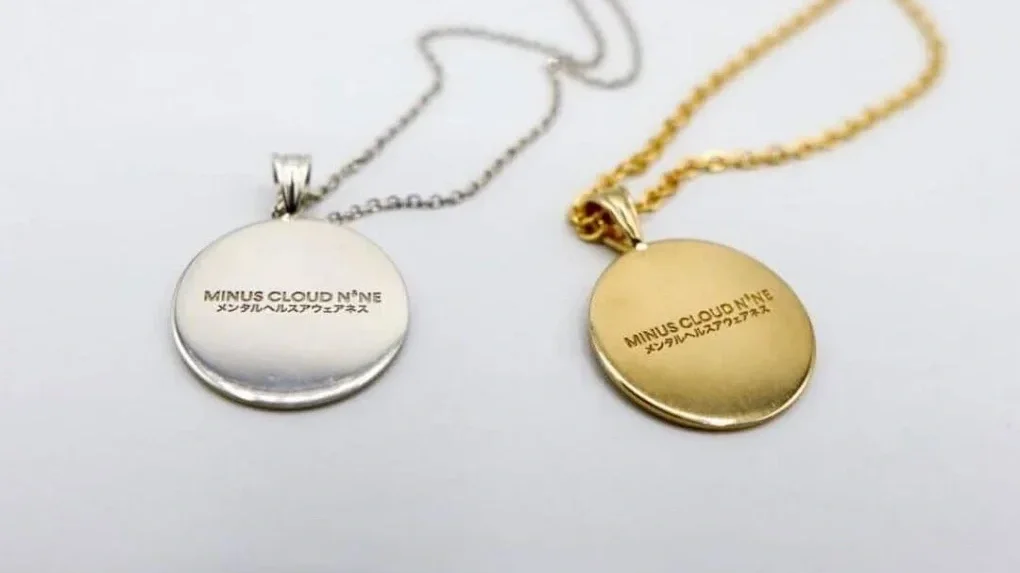
Which Jewellery Forms are Compatible with Laser Engraving?
From the inner curve of a wedding band to the flat expanse of a signet ring, modern fiber laser technology allows for limitless creative expression.
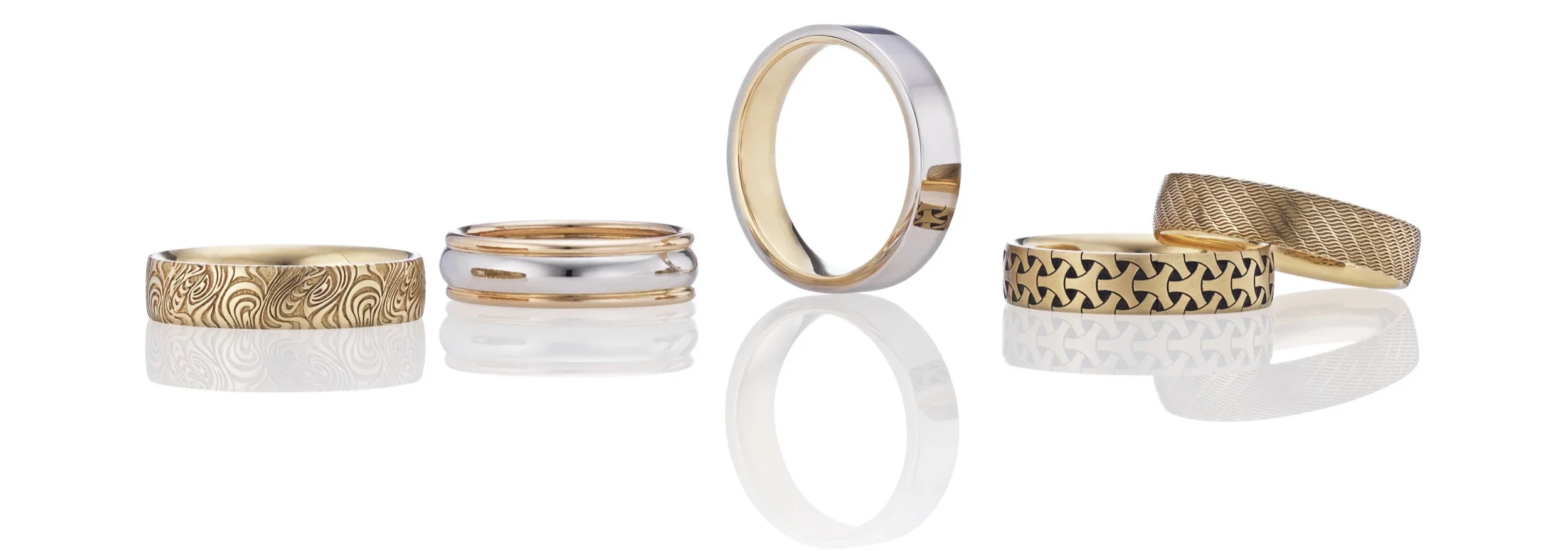
Rings & Bands: Wedding bands, eternity rings, engagement rings (interior or exterior), and intricate open-work bands.
Statement Jewellery: Signet rings, fashion rings, and sculptural medallions.
Necklaces & Pendants: Polished pendants, dog tags, commemorative lockets, bar necklaces, and cylindrical charms.
Wristwear: ID bracelets, solid bangles, torque bracelets, and hinged cuffs.
Formal & Bespoke Accents: Cufflinks, tie pins, and brooches.
Horology: Watch case-backs, buckles, and internal movement components.
Delicate Items: Earrings, delicate clasps, and jump rings.
Speciality Items: Custom dental jewellery and Grillz with high-detail surface textures.
Which Metal Alloys are Compatible with Laser Engraving?
The beauty of fiber laser technology lies in its versatility across the periodic table.
Gold Alloys: Yellow, White, and Rose Gold (9k, 14k, 18k, 22k).
Platinum & Palladium: High-density precious metals.
Silver: Sterling Silver (.925) and Gold Vermeil (Plated Silver).
Titanium & Tantalum: Medical-grade and industrial refractory metals.
Stainless Steel: 316L (Surgical) and 904L grades.
Reflective Base Metals: Brass, Bronze, and Copper.
Speciality Metals: Tungsten Carbide, Niobium, and Chrome-Cobalt.
The Science Behind the Beam: How Lasers Engrave Fine Jewellery
Mention the word "laser," and most people picture a scene straight out of Goldfinger: "No, Mr Bond, I expect you to die!" Yet, in the world of fine jewellery, the reality is far more sophisticated—an elegant dance of light and science.
1. The Source: Focused Photonic Energy
These systems represent the apex of jewellery engraving because they emit light at an exact near-infrared wavelength (1064 nm). At this frequency, the laser achieves optimal photon absorption when interacting with the dense atomic structures of noble metals like gold, silver, and platinum.
At the heart of the system is a Fiber laser. These are the "gold standard" for jewellery because their specific wavelengths are strongly absorbed by precious metals like gold, silver, and platinum.
The laser generates a concentrated beam of photons, which is directed through high-speed galvanometer mirrors. These mirrors pivot at incredible speeds to "draw" your design onto the metal surface with micron-level precision.
2. The Interaction: Sublimation over Stress
Unlike a mechanical tool that "ploughs" through metal, a laser utilises ablation.
The Process: As the high-intensity beam strikes the surface, the metal absorbs the energy and heats instantly.
Sublimation: The energy is so concentrated that the metal skips the liquid phase entirely, turning directly into a gas.
The Result: This vaporises a microscopic layer of material without deforming the surrounding metal, leaving behind a clean, permanent, and high-contrast mark.
3. The "Recipe": Tuning the Beam
A technician calibrates the laser using three primary variables to achieve the perfect finish:
Frequency (kHz): High frequencies create smooth, polished-looking marks; lower frequencies are used for deep, structural engraving.
Power (Watts): Dictates the depth of the "cut" into the metal.
Speed (mm/s): The velocity at which the beam travels across the design.
4. Why "Non-Contact" Changes Everything
Traditional engraving requires jewellery to be clamped tightly to withstand the "bite" of a steel burr or diamond tip. This mechanical stress can warp thin bands or displace delicate gemstone settings.
Because the laser is a non-contact tool, the only thing touching your jewellery is light. This unlocks possibilities that were once impossible:
Preserving the Fragile: We can engrave delicate vintage wedding bands, thin-walled lockets, or intricate hollowware without the risk of bending or distortion.
Infinite Consistency: Since light never "dulls," the thousandth engraving is just as razor-sharp as the first. There is zero mechanical degradation.
Ultra-Fine Resolution: We can render crisp, legible text onto a 1mm wedding band—detail so fine it remains sharp even under 20x magnification.
Creative Jewellery Engraving Ideas
The shift to a digital-first workflow has transformed the landscape of jewellery personalisation, allowing us to move beyond names and dates into the realm of true storytelling. By combining advanced vector design with laser technology, we can capture intricate designs, and personal narratives in precious metal
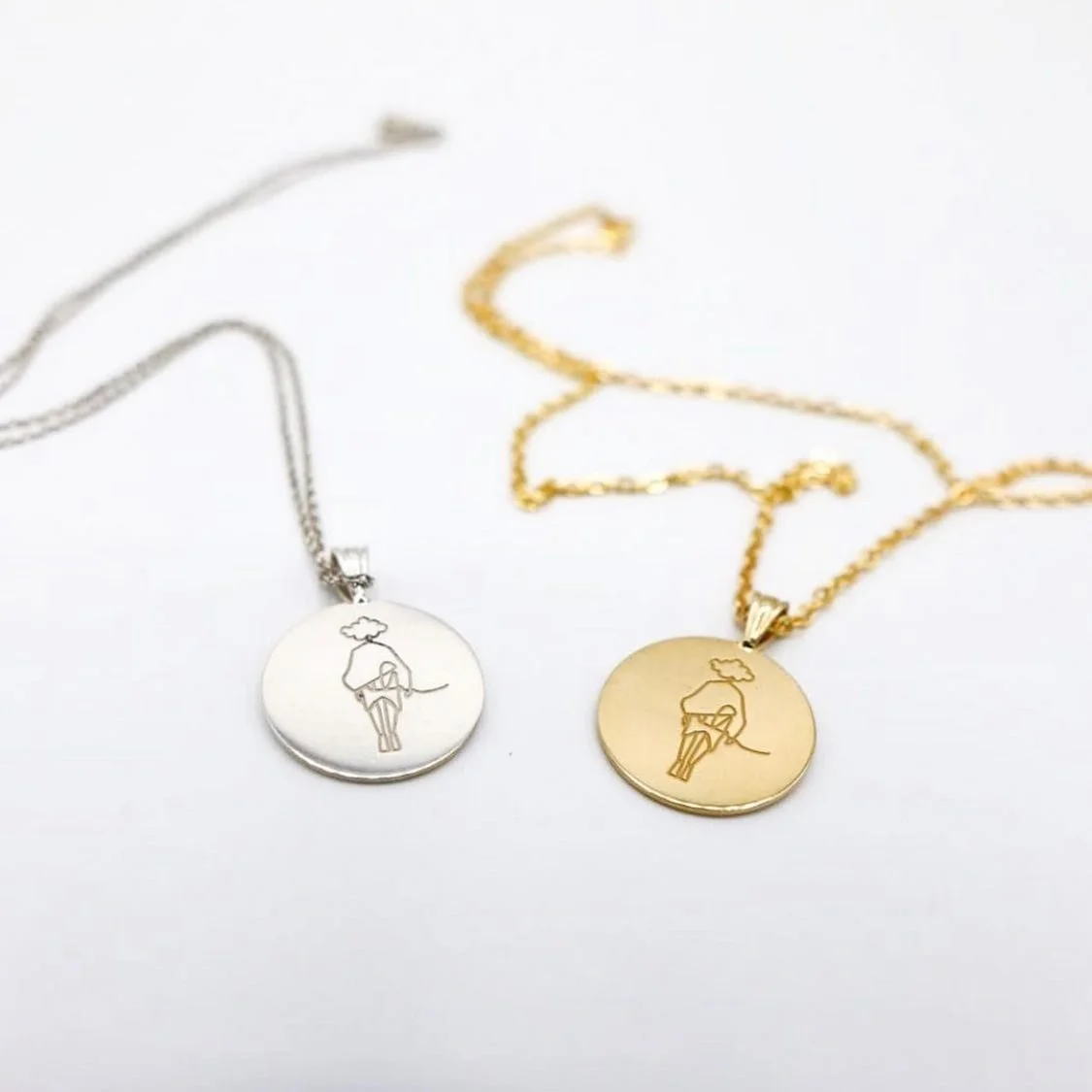
Handwritten Notes & Drawings: From Paper to Precious Metal
Imagine a locket etched with the exact signature of a grandparent from an old postcard, or a child’s first "Mummy" scrawled in their own hand. We can vectorise physical notes, turning a fleeting piece of paper into a permanent memory.
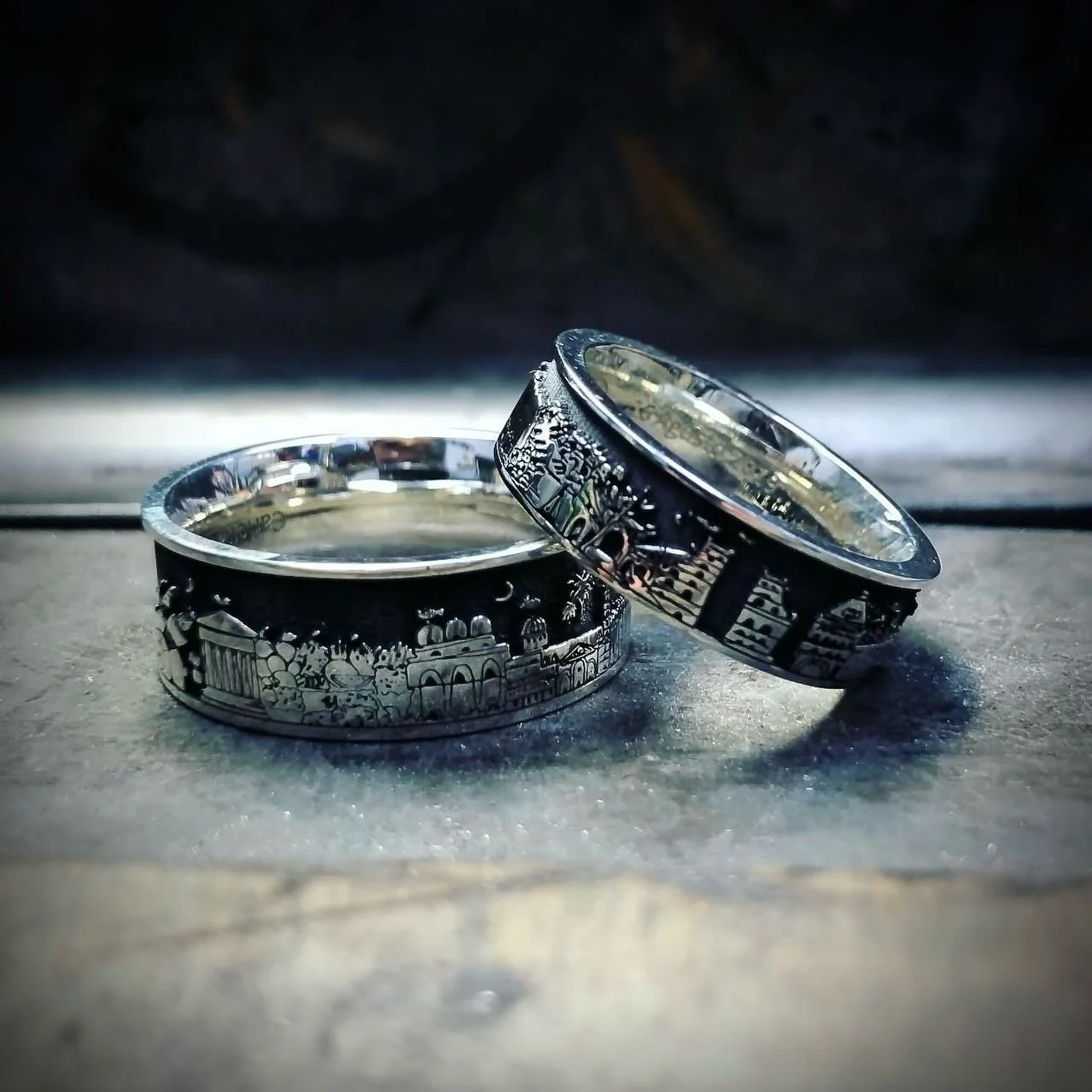
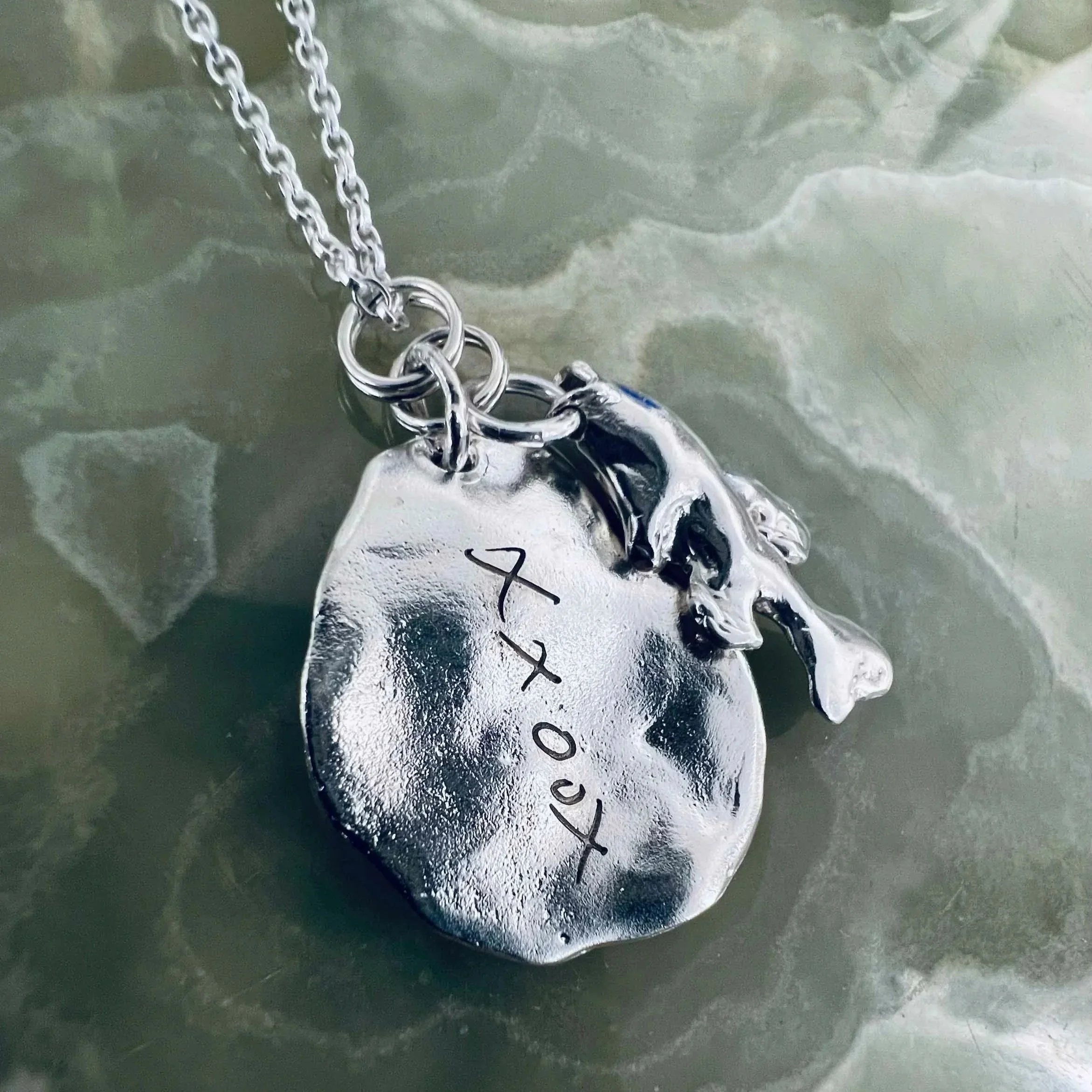
Geographic Milestones: Custom Map & GPS Coordinates Co-ordinates
From the exact spot of a first date to the birthplace of a child, GPS coordinates offer a minimalist, modern way to "map" your life’s most important milestones. Whether it’s a set of numbers or a simplified skyline, we can anchor your memories to a specific place in time.
Photo Engraving: Grayscale Portraits in Gold & Silver
A photograph captures a moment, but a laser-engraved image preserves it for a lifetime. Using advanced grayscale technology, we can translate your most cherished photos—from a wedding portrait to a candid snap of a beloved pet—onto the surface of a gold or silver pendant. Unlike traditional methods that produce a crude "dotted" likeness, our laser equipment enables incredible depth and tonal range. The result is a high-definition, holographic-style finish that catches the light.
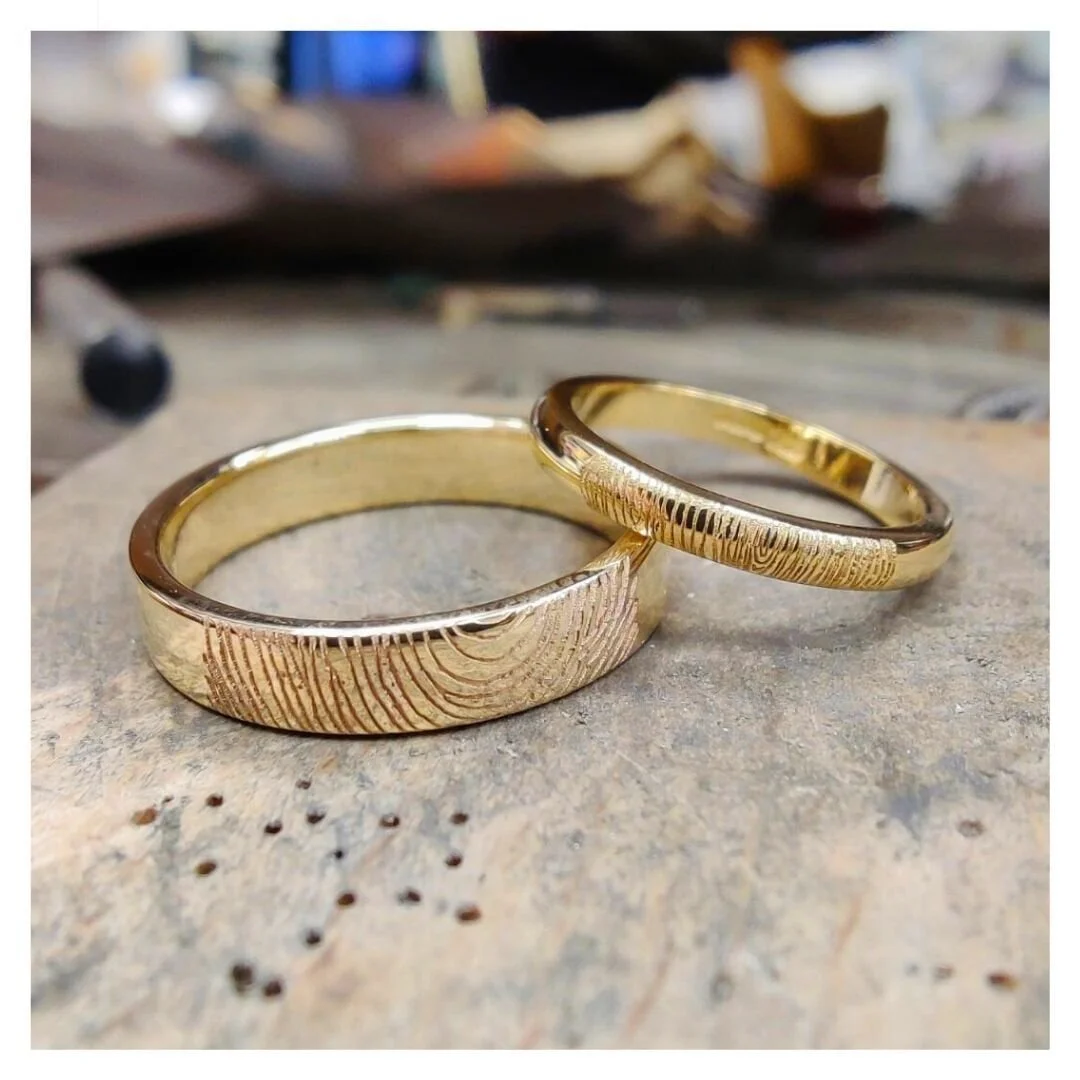
Biometric Data: Fingerprint and Heartbeat (EKG) Engravings
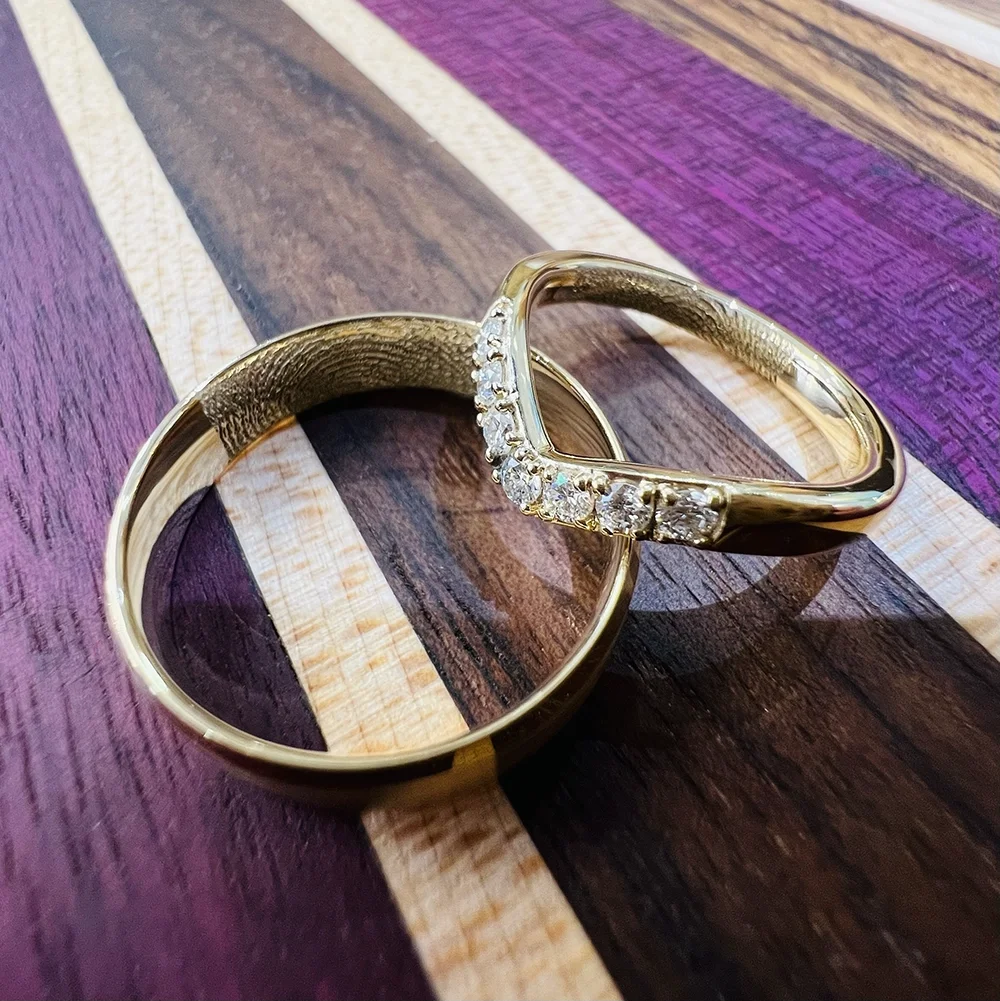
For those seeking a truly singular connection, we can translate the unique topography of a fingerprint onto a pendant, or etch the rhythmic pulse of a heartbeat (EKG) onto the interior or exterior of a band.

Best Fonts for Jewellery Engraving
Precision on a microscopic scale enables us to etch legible text at just 1mm, perfect for subtle, intimate details. However, the true character of your engraving lies in the typeface. When choosing your style, consider the story you want to tell. For example:
Script & Cursive: Best for romance, elegance, and tradition. These flowing lines mimic the hand-inked letters of the past and are perfect for engraving wedding bands and anniversary gifts.
Serif Fonts (e.g., Times New Roman): These carry a sense of authority, history, and timelessness. Ideal for personalising your signet rings or formal commemorations.
Sans-Serif (e.g., Arial or Helvetica): Clean, geometric, and modern. Choose these for a minimalist look, for coordinating, or for contemporary designer pieces where legibility and "breath" are key.
Discover Your Font Inspiration for Engraving
Explore these libraries to find a typeface that speaks to you. Once you’ve found a style you love, simply share the name with us:
Adobe Fonts– High-end, professional typography.
Google Fonts– Clean, modern, and highly legible options.
Dafont– A vast library for unique, decorative, and "handwritten" styles.
Laser Engraving Durability, Depth, and Finishing
How Permanent is Laser Engraving?
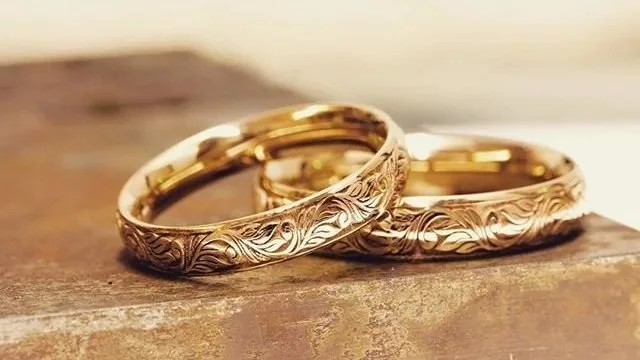
A question we hear daily atLaser Engraving Service is: "Will it last?" In fine jewellery, an engraving should be as permanent as the metal itself.
While the lifespan of an engraving depends on the item’s daily exposure, with the inner or outer surfaces of rings naturally seeing the most friction, the engraving is designed to endure. We have seen heirlooms over a century old with original inscriptions still clearly visible. Our goal is to ensure that your story remains legible for the next hundred years, surviving the test of time and daily wear.
Considerations When Laser Engraving Jewellery at Depth
To achieve true depth, a laser doesn’t just strike the metal once; it travels the design in a rhythmic, controlled cycle. With each pass, the beam vaporises a microscopic layer, "carving" deeper into the piece until the desired relief is achieved.
There is a common misconception that laser engraving is "shallow" to save time. In reality, the beam is the fastest part of the process. The real work happens before the first spark, in the digital architecture: the meticulous creation of the vector file, the machine setup, and the precise calibration of the alloy’s response.
The Science of Calibration: Protecting Structural Integrity and Alloy Purity
We don’t just hit "start." We consider three critical factors to determine the optimal number of passes when engraving jewellery.
Material Evaluation: We calibrate the laser’s intensity based on the specific alloy and any surface plating. For example, when working with Gold-Plated Silver (Vermeil), we precisely tune the beam to ensure a crisp mark without cutting through to the base metal—preserving the luxurious gold finish.
Geometric Precision: Engraving too deeply can overwhelm a delicate script, causing the characters to lose their silhouette. We find the exact equilibrium where the text is deep enough to last a lifetime but sharp enough to read with clarity.
Structural Anatomy: Every pass is calculated to protect the item of jewellery's structural integrity. A locket, for example, is often crafted from thin-gauge metal; engraving too aggressively could pierce the wall or weaken the hinges due to the heat generated.
Why Post-Engraving Polishing is Essential
When engraving at depth, the laser vaporises the metal, which can occasionally leave a microscopic "burr"—a slight raised edge around the design's silhouette. While this is a hallmark of a deep and permanent engraving, it requires a professional touch to reach its full potential.
Our jewellers perform a light post-engraving polish, ensuring:
Purity: Any microscopic residue is cleared, leaving the "valleys" of the engraving clean and high-contrast.
Brilliance: The edges are smoothed to allow the inscription to catch the light perfectly, all while preserving the razor-sharp integrity of the etched details.
Benefits of Integrating Laser Technology into Jewellery Design
For many jewellery brands & designers, the transition from a hand-drawn sketch to a physical collection involves balancing artistry with production efficiency. Laser technology bridges this gap, offering a suite of streamlined solutions that traditional bench tools simply cannot match.
1. Cost
When weighing laser vs hand engraving, one of the most compelling advantages is the shift in cost-efficiency. While traditional hand engraving is subject to linear labour costs and character-based billing, laser systems enable economies of scale. By transitioning to a digital workflow, brands can significantly reduce per-unit costs through batch processing and high-speed repeatability.
2. Integrating Laser Engraving with Stone Setting
An engraving should never feel like an afterthought. By utilising vector-based software, we can map your design to perfectly complement the placement and scale of every precious stone. We can even pre-calculate the exact spacing for diamond settings using "dot engraving," ensuring the engraving and the setting exist in perfect harmony.
3. The 360° Engraving Wrap
Our laser systems utilise advanced focal-point tracking to "wrap" designs seamlessly around the most challenging geometries. Through digital mapping, we can digitally refine a design to ensure that repeat patterns meet perfectly at the seam, creating an infinite, uninterrupted loop around rings and bangles.
4. Laser Cutting Precious Metal Sheet with Minimal Waste
Particularly beneficial for small-batch runs of custom-shaped pendants or charms. Because the "kerf" (the width of the cut) is significantly narrower than a traditional saw blade, you can achieve intricate silhouettes with almost zero distortion. With a mere 0.5mm tolerance required, designs can be nested tightly together—maximising your yield and dramatically reducing the wastage of precious metal alloys.
Your Story, Our Jewellery Engravers Expertise
At the intersection of ancient sentiment and modern science, laser engraving offers a way for jewellery to truly belong to its wearer. It transforms a mass-produced item into an heirloom and a standard collection into a bespoke brand experience.
Whether you are looking to capture a single moment in a locket or looking for a reliable partner to scale your jewellery business, Laser Engraving Service is here to bring those microscopic details to life with maximum efficiency and impact.
Rooted in the heart of London’s historic jewellery district, our jewellers blend over 50 years of traditional craftsmanship experience with the clinical precision of laser technology, ensuring your jewellery is handled with unparalleled expertise.
Ready to start your project? Request a Custom Quote
Frequently Asked Questions About Jewellery Engraving
Does laser engraving wear off over time?
The short answer is no. Unlike surface printing or shallow mechanical scratches, our fiber lasers vaporise the metal to create a permanent, structural mark. For high-contact items like wedding bands, we utilise Deep Relief Engraving to ensure the design remains crisp for decades. While the surrounding metal may develop a natural patina or "wear" over time, the depth of the laser mark ensures the inscription stays intact for a lifetime.
Can you engrave on the inside of a ring?
Absolutely. Using specialised rotary attachments, we can seamlessly engrave text, dates, or even secret fingerprints along the interior circumference of a ring. This "hidden" personalisation is the most popular choice for wedding vows and intimate messages that stay close to the wearer’s skin.
Is it possible to remove a laser engraving later?
Yes. Because laser engraving is highly localised, it can be removed by a professional jeweller. The process involves lightly sanding the area and re-polishing the metal to a flush finish. For exceptionally deep engravings, a jeweller may use laser welding to "infill" the area with matching metal before polishing, returning the piece to a blank canvas.
Should I engrave jewellery before or after gold plating?
We recommend engraving before plating. This allows the gold or platinum solution to coat the interior of the engraving, ensuring that the "valleys" of the design are protected and uniformly coloured. If you engrave after plating, the laser can cut through the gold, exposing the base metal (e.g., silver), which can cause visible tarnishing over time.
Can you engrave plated jewellery (Vermeil)?
Yes, but it requires expert calibration. We can engrave items that are already plated—such as Gold Vermeil—by fine-tuning the laser to a "marking" frequency. This creates a legible inscription without cutting deep enough to expose the base metal. However, for the most durable results, we recommend engraving the raw metal before the final plating.
Can you laser engrave tungsten or titanium rings?
Yes. One of the greatest benefits of laser technology is its ability to mark "stubborn" ultra-hard metals. Traditional hand-engraving tools often fail on Tungsten and Titanium because these metals are harder than the tools themselves. Our high-power fibre lasers, however, treat these modern metals with the same ease and precision as 18K gold, resulting in a permanent, high-contrast finish.